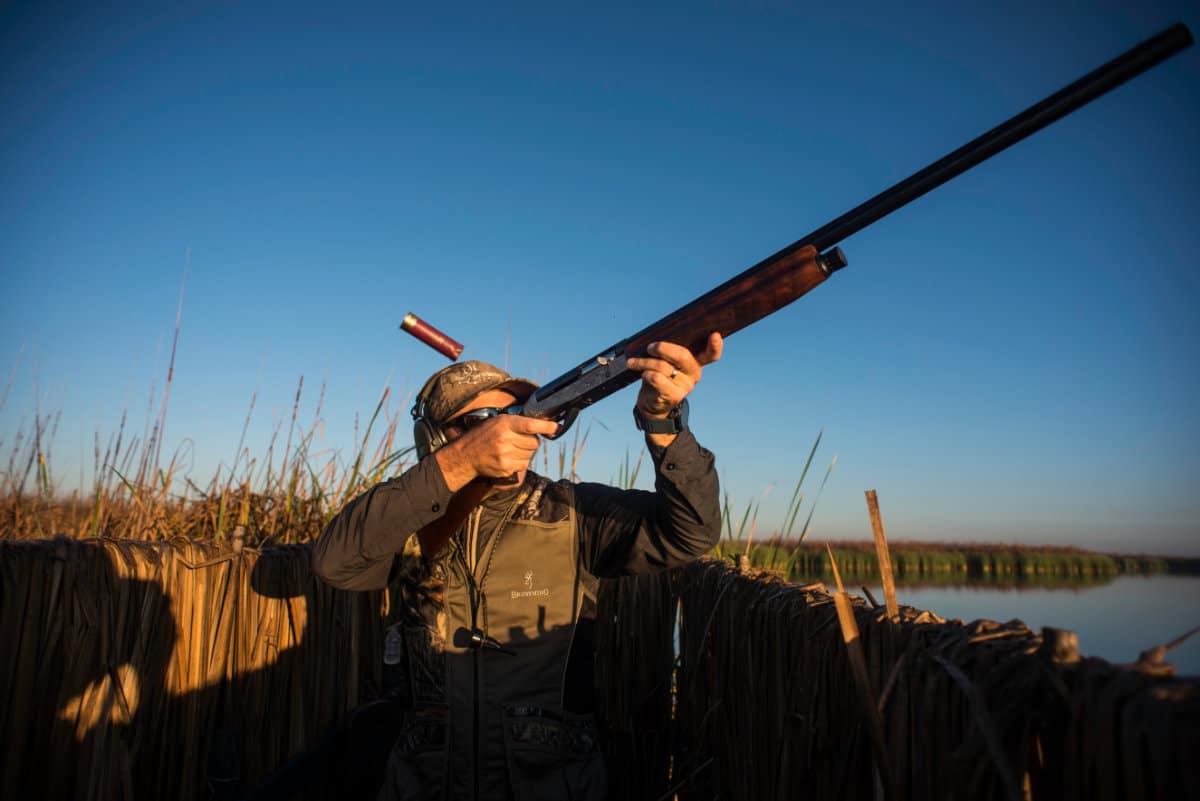
Your First Season Teaches You Fast
Most first seasons start the same way. You buy the license, watch a few videos, and set the alarm for 3:30 a.m. Then the real lessons begin.
Birds show up before you’re ready. The mud tries to keep your boots. Something you needed is still sitting in the truck. None of that means you’re doing it wrong. It means you’re learning the same way every duck and goose hunter did.
If you’re looking for beginner duck hunting tips, here are the lessons most new hunters pick up in year one. Learn a few of them now, and your first time duck hunting gets a lot easier.
Lesson 1: The Rules Are More Detailed Than You Think
Learning how to start duck hunting begins with paperwork. Ducks and geese are migratory birds, so you follow both federal and state rules
What you’ll likely need
- Hunter education. Most states require a hunter safety course before your first license. In Michigan, that applies to anyone born on or after January 1, 1960.
- A state license. Michigan, for example, requires a base license plus a waterfowl license.
- HIP registration. The Harvest Information Program is required for migratory bird hunters. Many states handle it when you buy your license.
- A Federal Duck Stamp if you are 16 or older.
Rules that surprise new hunters
- Only nontoxic shot is legal for waterfowl. No lead.
- Your shotgun can hold no more than three shells.
- Shooting hours usually start a half hour before sunrise.
- Bag limits differ by species, and some are much lower than others.
Read your state’s waterfowl regulations every year. Seasons, zones, and limits can change.
Lesson 2: Bird ID Is Harder Than It Looks
Ducks are easy to tell apart in a field guide. At first light, flying fast at 35 yards, it’s a different story. Many hens are brown and look alike. That matters when one species has a limit of only one or two birds.
- Learn birds by shape, size, and how they fly, not just color.
- Look for the colored patch on the wing. It’s often easier to see than the head.
- Study before opening day. Some states, like New York, offer waterfowl identification courses.
- When in doubt, don’t shoot. Passing on a bird is never a mistake.
Lesson 3: Safety Goes Beyond Gun Handling
You learned firearm basics in hunter education. Waterfowl hunting adds cold water, boats, and tight blinds with other people.
- Respect cold water. Wear a wader belt, and wear a life jacket in the boat.
- Set shooting lanes. Agree on who shoots where before birds show up. Never swing your gun across a partner.
- Unload when moving. Do it before crossing ditches, climbing into a boat, or pushing through thick cover.
- Share your plan. Tell someone where you’re hunting and when you’ll be back.
Lesson 4: Etiquette Matters on Shared Water
Public marshes belong to everyone. A few unwritten rules keep things friendly:
- Don’t set up right on top of another group. If a spot is taken, move on.
- Skip the long shots. Shooting at birds out of range wounds them and scares flocks away from everyone.
- Keep lights and noise down in the dark.
- Pack out your empty shells and trash.
- Do everything you can to recover downed birds.
Lesson 5: Mud and Water Change Everything
Nobody warns you how much of waterfowl hunting is a fight with the ground. Soft marsh bottoms grab your boots. Flooded timber hides stumps. Anything you set down gets wet or sinks out of sight.
- Walk in slowly and test each step before you put weight on it.
- Scout in daylight so you know where the deep holes are.
- Keep your gear off the ground. A soaked shell box or a muddy gun can end a hunt early.
That last lesson is why Swamp Stick exists. It’s a utility pole built for marsh hunters. Push it into soft ground and you have a place to keep gear up out of the mud and water. It also gives you something solid to lean on when the footing gets sketchy or to feel for a hole underwater.
Lesson 6: Staying Organized Saves Your Hunt
In the dark, at the water’s edge, a messy blind bag becomes a real problem. New hunters lose calls, gloves, and shells all season long.
- Pack the night before using a simple checklist: license, stamp, shells, calls, headlamp, gloves, and knife.
- Give every item its own spot in your bag, and put it back there every time.
- Keep your license and stamp in a small waterproof pouch.
- Pack an extra pair of dry gloves. Wet hands get cold fast.
Lesson 7: Your Setup Will Need Adjusting
Your first decoy spread rarely works perfectly. Birds may land short, swing wide, or flare away. The fix is usually a small change, not a whole new plan.
- Use the wind. Ducks and geese land into the wind. Set up with the wind at your back so birds come in facing you.
- Leave a landing hole. Keep an open pocket in your decoys within easy shooting range.
- Move when it isn’t working. If birds keep landing out of reach, shift yourself or your decoys.
- Stay hidden and still. Movement and bare faces flare more birds than bad calling does.
Gear that’s quick to set up and easy to move makes these changes a lot less painful.
Every Hunter Starts With a First Season
Your first year won’t be perfect, and it isn’t supposed to be. Every experienced hunter you meet has fallen in the mud, forgotten their calls, and watched a flock land just out of range.
What separates a good first season from a frustrating one is simple. Know the rules. Learn your birds. Put safety first. Respect the people around you. Then stay willing to adjust when the marsh doesn’t match the plan.
Get those basics right, and the rest comes with time on the water.
If you’re putting together your first kit, take a look at Swamp Stick’s beginner-friendly gear. It’s built to keep your stuff out of the mud, so you can spend less time fighting the marsh and more time watching the sky.
