As an avid hunter and outdoorsman, I spend a lot of time on public land. It’s an incredible resource, open to hikers, bikers, horseback riders, anglers, paddlers, and hunters alike. That shared access is part of what makes it special. It’s also why we owe each other a little extra awareness, especially during hunting seasons when different activities overlap.
On public land, the “other people” you run into aren’t just other hunters. They’re families out for a walk, trail runners, birders, and anyone else looking for the same quiet morning you are. Most days, that’s no problem at all, until a preventable mistake turns shared space into a dangerous space.
Why This Matters Right Now
As I was getting ready for spring turkey season, I came across reports out of Wisconsin about one hunting party accidentally shooting another during the state’s spring youth turkey hunt. It was the kind of story that makes your stomach drop because it’s exactly the kind of incident that good habits are supposed to prevent.
According to those reports, at Wisconsin’s Honey Creek Wildlife Area, a mentor and a very young hunter, 3 years old, saw movement roughly 35 yards away and believed it was a turkey. The mentor helped the child shoulder a 12-gauge shotgun, aim, and fire.
It wasn’t a turkey.
The shot struck another father-and-son pair hunting nearby. The father was hit in the hand, shoulder, and backside. The child sustained injuries to the head and other areas. The injuries were reported as non-life-threatening, but they were serious enough to require medical treatment.
Incidents like this don’t just look bad for hunters, they’re heartbreaking. And they immediately raise a hard question I keep coming back to: how much of our “safety” culture is built around what’s legal instead of what’s actually wise?
In Wisconsin, like many states, there’s a mentorship path that allows someone to hunt without completing hunter education first, as long as they’re with a qualified mentor. In some cases, the mentor may also be exempt from hunter education requirements based on age or prior military service. That may be legal. But legality alone doesn’t guarantee that a person, adult or youth, is ready to make split-second, irreversible decisions with a firearm.
Then there’s visibility. Most people associate blaze orange with deer season, and many states require it during some firearm seasons. But spring turkey season is often treated differently, even though it can put multiple parties close together on the same public ground. Pennsylvania, for example, relaxed its fluorescent orange requirement for moving to and from spring turkey setups in 2020.
I’m not a lawyer, and I’m not here to argue statutes. I’m here to argue something simpler: in thick cover, on shared land, a small piece of hunter orange can be the difference between “I thought…” and “I know.”
My Hunting Safety Philosophy: Visibility Is Non-Negotiable
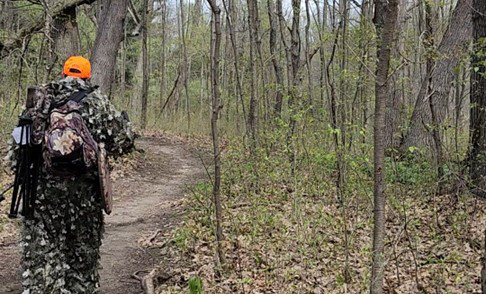
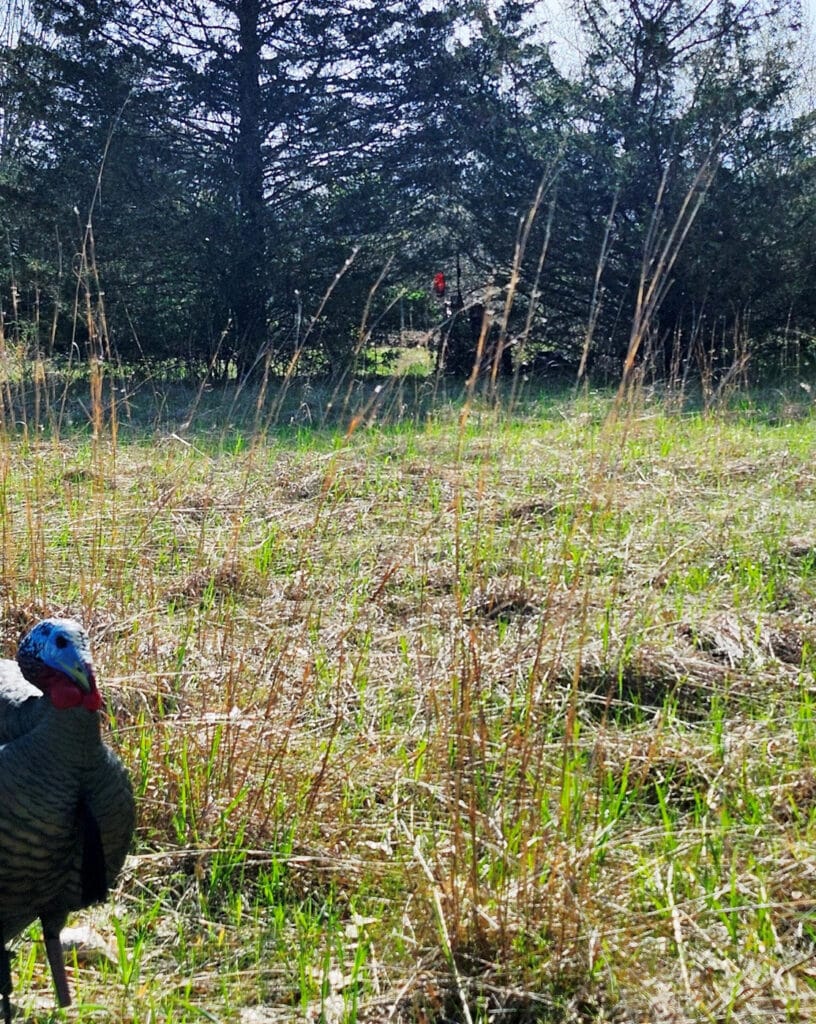
Just because you’re not required by law to wear hunter orange doesn’t mean you shouldn’t. I grew up in Pennsylvania, so wearing an orange hat during spring turkey season has never felt strange to me. A Conservation Officer once told me something I’ve never forgotten: even when orange isn’t required, visibility prevents tragedies. To this day, I wear an orange hat while I’m moving, and I’ll often hang something orange behind me in the branches of a tree so other hunters (and other public land users) have one more cue that a person is there.
“But Doesn’t That Hurt Your Odds?”
I hear this a lot, especially from turkey hunters. For me, it hasn’t. I’ve tagged a mature tom at 15 yards with a blaze orange hat hanging in the tree behind me. And if a bird spooks because I had orange on while moving, odds are I was moving more than I should have been anyway. I’ll gladly trade a little “advantage” for a safer morning in the woods. I reinforce the same mindset with anyone I mentor: public land is shared space, and visibility is one of the simplest ways to reduce risk for everyone
Practical Takeaways for Hunters and Everyone Who Uses Public Land
Whether Wisconsin changes its laws or not, the immediate lessons are simple and worth repeating:
- Never shoot at movement or sound. Positively identify your target and what’s beyond it.
- Use visibility measures even when they’re optional. Wear hunter orange while moving, and mark your setup in a way other people can see.
- If you mentor youth, treat it like a duty, not a loophole. Set clear readiness standards and stick to them.
- If you’re a non-hunter recreating on public land during spring, wear bright colors. If you’re not sure whether a season is open, err on the side of visibility.
Final Thoughts
I’m grateful the injuries weren’t fatal, and I hope both families heal from this in every sense. But “non-life-threatening” isn’t the bar. The bar is that preventable incidents do not happen. We get closer to that goal by choosing caution over convenience, by making mentorship mean safety first every time, and by doing the simple, unglamorous things, like wearing orange, that help other people see us before it’s too late.
